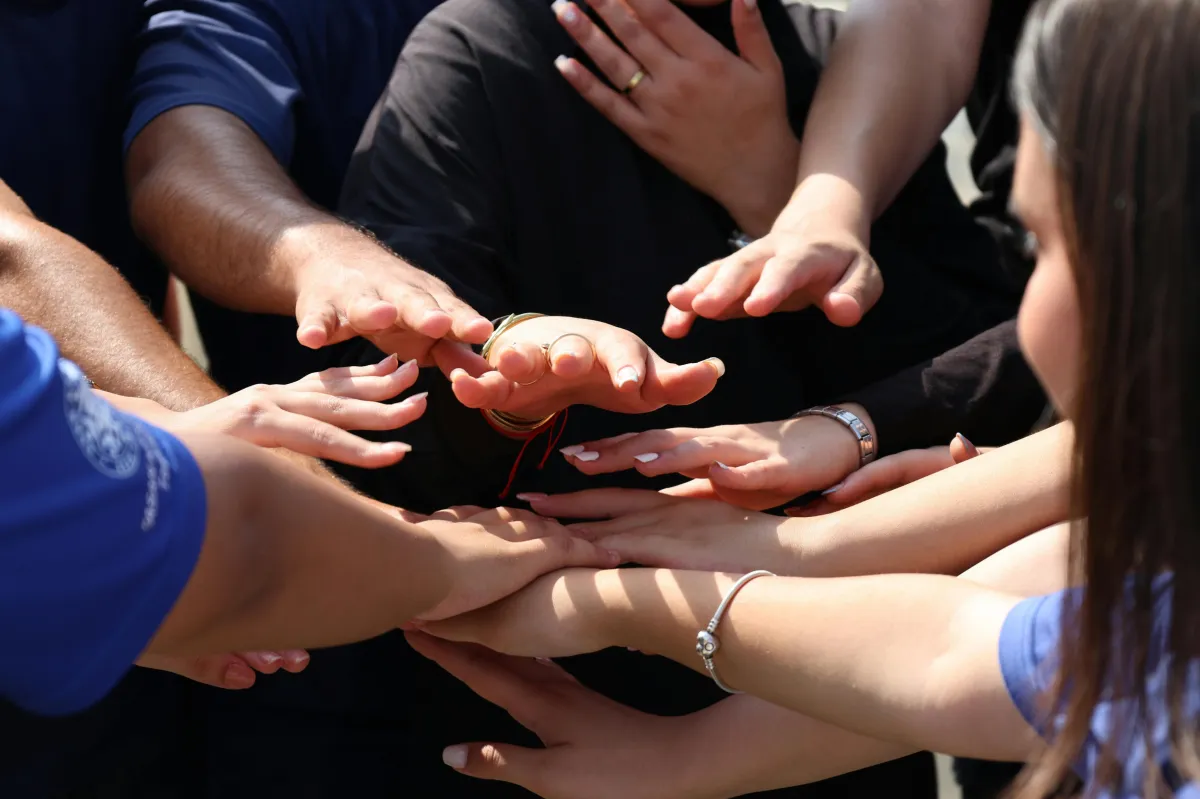
Breaking Barriers: Success in the Modern Filipino Workplace
Filipino leaders are proving that success is not about replicating foreign models but about combining global insights with local values, creating approaches that are both competitive and authentic.
The Filipino workplace is changing.
For generations, success often followed a familiar path. Finish school. Find stable employment. Stay loyal to one company for years. Work quietly, avoid mistakes, and hope dedication would eventually lead to opportunity. Stability mattered more than passion because survival came first. Families depended on consistent income, and many Filipinos were taught early that hard work, patience, and sacrifice were the safest routes toward a better future.
But today, the workplace looks very different.
Technology reshapes industries constantly. Remote work connects Filipino professionals to global opportunities. Younger generations challenge outdated workplace cultures. Creativity, adaptability, and emotional intelligence now matter alongside technical skill. Employees increasingly value mental health, flexibility, purpose, and work-life balance instead of simply chasing titles and salaries alone.
At the same time, pressure has also intensified.
Competition feels global now. Expectations move faster. Burnout has become common. Many professionals quietly struggle to balance ambition with wellbeing while navigating workplaces still learning how to evolve.
And yet despite these challenges, Filipino professionals continue rising.
Across industries, Filipinos are breaking barriers once considered impossible. Entrepreneurs build international brands from local communities. Creatives gain recognition globally while proudly carrying a Filipino identity. Young leaders redefine workplace culture through empathy and innovation. Overseas Filipinos excel in industries worldwide while remaining deeply connected to home.
Success itself is being redefined.
No longer only through status or job titles.
But through impact.
Authenticity.
Resilience.
And the courage to grow without losing humanity along the way.
Perhaps the modern Filipino workplace is not only producing successful professionals anymore.
It is producing a generation determined to succeed differently.
The Traditional Filipino Idea of Success
For many Filipinos, work has always carried emotional weight.
Employment was never simply personal achievement. It represented responsibility toward family, stability during uncertainty, and hope for future generations. Parents sacrificed enormously so children could access better opportunities. Overseas workers left home for years because financial survival demanded it. Families viewed secure careers as protection against hardship.
This mindset shaped workplace culture deeply.
Many Filipinos learned to value resilience, humility, patience, and discipline inside professional environments. Hard work became deeply tied to identity because survival often depended on it.
But this also created pressure.
People stayed in unhealthy workplaces because security felt more important than fulfillment. Burnout became normalized. Emotional exhaustion was often hidden quietly because professionalism meant enduring hardship without complaint.
Over time, however, newer generations began questioning whether success needed to come at the cost of wellbeing entirely.
And this question changed everything.
The Rise of a New Filipino Workforce
Today’s Filipino professionals think differently about work.
Younger generations still value ambition and stability, but they also care deeply about purpose, creativity, mental health, flexibility, and meaningful environments. Employees increasingly want workplaces where they feel respected as people—not simply as productivity machines.
This shift reflects broader cultural changes globally, too.
The pandemic especially forced many people to rethink priorities. Working from home blurred the boundaries between professional and personal life. Burnout became impossible to ignore. Employees realized that endless productivity without emotional balance was unsustainable.
As a result, Filipino professionals now seek workplaces aligned with values.
Healthy leadership matters.
Communication matters.
Purpose matters.
People no longer want to survive careers.
They want careers that allow them to live fully, too.
Breaking Barriers Beyond Traditional Expectations
Modern Filipino success stories increasingly challenge old expectations.
Filipinos are no longer limited to traditional corporate paths alone. Digital industries, remote work, entrepreneurship, creative careers, technology, content creation, freelancing, and global collaborations opened entirely new possibilities.
Young entrepreneurs now build businesses directly from laptops and small communities. Filipino creatives reach international audiences through social media and digital platforms. Professionals work remotely for companies abroad while remaining in the Philippines. Startups emerge from ideas once dismissed as unrealistic.
This shift matters because it expands opportunity.
For years, many Filipinos believed success required leaving the country physically or fitting into traditional industries only. But today, people are discovering they can create globally relevant work while remaining connected to local identity and community.
And perhaps this creates a different kind of confidence.
The confidence to innovate instead of only following existing paths.
The Filipino Strength of Adaptability
One reason Filipinos continue succeeding globally is adaptability.
Filipinos are known for adjusting quickly to changing environments, industries, and cultures. Overseas workers adapt internationally. Professionals transition across rapidly evolving industries. Creatives reinvent themselves repeatedly through digital trends and technological shifts.
This flexibility became especially valuable in modern workplaces where change happens constantly.
Technology evolves rapidly. AI reshapes industries. Remote collaboration becomes normal. Job descriptions shift faster than ever before.
Professionals who resist change struggle.
But many Filipinos naturally understand adaptation because uncertainty has long shaped Filipino life itself.
Families learned how to survive instability. Communities rebuilt after crises repeatedly. Workers adapted across countries and industries out of necessity.
And today, that resilience becomes professional strength.
Workplace Culture Is Evolving
One of the biggest shifts happening today is the changing relationship between leadership and employees.
Traditional workplaces often valued hierarchy over collaboration. Employees were expected to remain silent, overwork without complaint, and prioritize company needs above personal wellbeing completely.
But modern Filipino professionals increasingly reject toxic workplace culture.
People now value emotional intelligence in leadership. They want managers who communicate clearly, respect boundaries, and understand mental health realities. Younger employees especially care about environments where they feel heard, supported, and respected.
This evolution matters because workplace culture affects lives deeply.
People spend enormous portions of their lives working. Toxic environments create emotional exhaustion extending far beyond office walls. Meanwhile, healthy workplaces allow people to grow professionally without sacrificing wellbeing entirely.
Filipino leadership is evolving alongside this shift, too.
Many younger leaders now prioritize empathy, collaboration, and flexibility rather than authority alone.
The Emotional Reality Behind Professional Success
Behind many Filipino success stories exists an invisible sacrifice.
Long commutes. Financial pressure. Family responsibilities. Side jobs. Burnout. The emotional pressure of supporting parents or siblings financially. The guilt of resting while others depend on your success.
For Overseas Filipino Workers, the sacrifice often becomes even heavier. Homesickness. Distance from children. Loneliness in unfamiliar countries. The pressure to remain strong despite emotional exhaustion.
And yet many continue working tirelessly because success feels collective, not individual.
Filipino culture naturally ties achievement to family responsibility. People succeed not only for themselves, but for loved ones too.
This creates remarkable resilience.
But it also creates emotional weight that many professionals carry silently.
The Rise of Filipino Creativity and Innovation
Modern Filipino workplaces are also becoming more creative.
For years, Filipino talent was often underestimated globally despite extraordinary creativity existing across industries. But today, Filipino designers, entrepreneurs, marketers, filmmakers, artists, writers, and innovators increasingly gain recognition internationally.
Social media and digital platforms helped accelerate this shift.
Filipinos can now showcase talent globally without waiting for traditional gatekeepers. Local brands compete internationally through authenticity and storytelling. Creatives proudly incorporate Filipino identity into work instead of hiding it to appear more globally acceptable.
This matters deeply because it changes representation.
Young Filipinos now grow up seeing people who look like them succeeding across industries previously dominated by foreign standards.
And visibility changes belief.
Success Beyond Job Titles
Perhaps the most important shift happening today is how Filipinos define success itself.
Success is no longer only about titles, salary, or external recognition.
People increasingly value peace.
Purpose.
Flexibility.
Mental health.
Time with family.
Creative fulfillment.
Meaningful contribution.
A high-paying job that destroys emotional wellbeing no longer automatically feels successful. Meanwhile, careers aligned with personal values often feel more meaningful even without traditional prestige attached.
This reflects emotional maturity.
People are beginning to understand that achievement without fulfillment eventually feels empty.
The Importance of Staying Human
Modern workplaces move quickly.
Pressure increases constantly. Industries evolve rapidly. Employees face expectations to remain productive, adaptable, and competitive all the time.
Inside this environment, many professionals fear becoming replaceable.
But perhaps the qualities making Filipino professionals truly valuable are deeply human ones impossible to automate fully:
Empathy.
Warmth.
Creativity.
Adaptability.
Emotional intelligence.
Collaboration.
The ability to connect with people genuinely.
These qualities matter increasingly because workplaces are not only systems.
They are communities of people navigating pressure, ambition, uncertainty, and growth together.
The Future of the Filipino Workplace
The future will continue to change rapidly.
Technology will reshape industries. Global competition will intensify. New careers will emerge while others disappear completely. Flexibility, innovation, and emotional intelligence will matter more than ever before.
But perhaps Filipino professionals are uniquely prepared for this future.
Because resilience already exists deeply within Filipino culture.
Adaptability already feels natural.
Creativity continues expanding.
And despite challenges, Filipinos continue carrying something powerful into every workplace they enter:
Humanity.
Success That Breaks More Than Barriers
So what does success in the modern Filipino workplace truly look like?
It looks like breaking barriers without losing identity.
Building careers while protecting wellbeing.
Leading with empathy instead of ego.
Creating opportunities for others while pursuing personal dreams, too.
It means redefining ambition through purpose, resilience, and authenticity rather than pressure alone.
Because today’s Filipino professionals are not only succeeding inside workplaces.
They are transforming what success itself means for future generations.
And perhaps that is the most powerful breakthrough of all.
