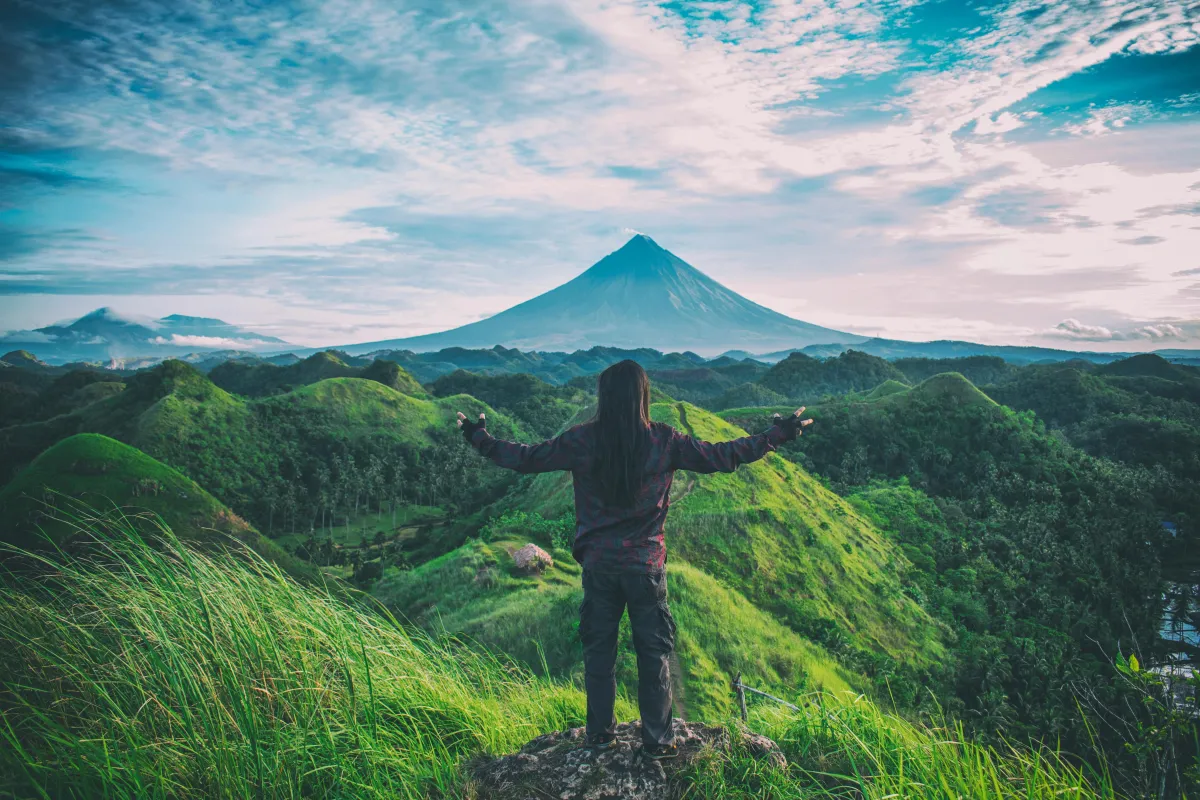
Hidden Gems: Exploring the Philippines Beyond the Map
The Philippines is a land of endless wonder, where each island, town, and tradition has a story waiting to be told. The hidden gems and adventures explored beyond the usual paths reveal a nation rich in history, culture, and natural beauty.
Discovering a destination that still feels serene and untouched is an experience that stays with you long after you leave.
Not untouched in the sense that nobody has ever been there before, but untouched by the rush of modern tourism. Places where mornings still begin slowly. Where fishing boats drift quietly across calm water before sunrise. Where old traditions survive not for performance or attraction, but because they remain part of everyday life.
The Philippines is filled with places like this.
Beyond crowded beaches, famous resorts, and heavily photographed destinations exists another side of the country—one shaped by hidden islands, mountain communities, ancestral traditions, forgotten roads, and stories carried quietly through generations.
This is what many travelers miss in the Philippines.
Not because it is impossible to find.
But discovering it requires slowing down.
It requires curiosity instead of checklist tourism. Presence instead of performance. The willingness to wander beyond popular itineraries and allow the country to reveal itself naturally, instead of through carefully packaged experiences.
And once people experience that side of the Philippines, something changes.
Because the country stops feeling like a destination.
It begins feeling alive.
The Philippines Beyond Postcards
When people imagine the Philippines, certain images appear immediately.
White sand beaches. Clear turquoise water. Palm trees leaning toward the ocean. Island sunsets are glowing orange and gold.
And those places are real. Beautifully real.
But the Philippines is far more layered than tourism advertisements often suggest.
The country consists of more than seven thousand islands, each carrying different landscapes, languages, traditions, histories, and identities. Some regions feel deeply modern and fast paced, while others seem untouched by time itself. Mountain provinces hold entirely different cultural rhythms from coastal fishing villages. Remote islands preserve customs that existed long before cities transformed through globalization.
This diversity creates endless possibilities for discovery.
Because the most meaningful adventures are often found beyond places already famous.
The Quiet Beauty of Untouched Islands
Some of the most extraordinary places in the Philippines are the ones people rarely hear about internationally.
Small islands where electricity disappears at certain hours of the night. Beaches with no loud bars or crowded resorts. Villages where locals still know every family by name. Places where the loudest sound after sunset becomes waves touching the shore repeatedly beneath dark skies filled with stars.
These islands feel different because they force people to slow down.
Modern life trains people to move constantly. Scroll endlessly. Chase schedules. Collect experiences quickly without fully absorbing them emotionally.
But remote islands interrupt that rhythm naturally.
Time softens there.
People wake with sunrise instead of alarms. Meals last longer. Silence feels comforting instead of awkward. Days stop revolving around productivity and begin revolving around presence.
And perhaps that is why hidden islands feel so meaningful emotionally.
Because they remind people how peaceful life can become when it is not constantly rushed.
Mountain Provinces and the Feeling of Stillness
While beaches often dominate travel conversations about the Philippines, the country’s mountain regions carry a completely different kind of magic.
Northern provinces wrapped in fog and pine trees feel worlds away from tropical coastlines. Roads curve endlessly through cliffs and rice terraces carved by hand generations ago. Cold mornings replace humid city air. Silence stretches across valleys, interrupted only by distant birds or quiet conversations drifting from roadside cafés.
Something is grounding about the mountains.
Communities there often move differently from crowded urban centers. Traditions remain deeply connected to ancestry, land, and craftsmanship. Older stories survive through rituals, weaving, farming practices, and oral history passed carefully across generations.
Traveling through these places changes perspective.
Because modern life suddenly feels smaller compared to landscapes shaped slowly over centuries.
The Stories Hidden Inside Local Traditions
One of the greatest treasures in the Philippines is not only found in the scenery.
It is found in people.
Across the country, traditions continue to survive quietly despite modernization and global influence. Indigenous weaving communities preserve techniques requiring patience and precision, impossible to mass-produce. Festivals celebrate history, spirituality, harvest, and identity through music, dance, and costume. Family recipes remain unchanged for generations, carrying memory through flavor itself.
These traditions matter because they keep cultural identity alive.
And in a rapidly changing world, cultural memory becomes incredibly valuable.
Traveling beyond mainstream tourism often reveals these traditions more honestly. In smaller towns and less commercialized communities, culture still exists naturally inside daily life rather than being performed only for visitors.
A traveler may witness fishermen preparing boats before sunrise, exactly the way their fathers and grandfathers once did. Others may encounter artisans weaving fabrics carrying stories connected to ancestry and place. Sometimes, the most meaningful moments happen during ordinary interactions, impossible to schedule intentionally.
A meal shared with strangers.
A local elder is telling stories quietly.
Music drifted through village streets during the celebration.
These experiences stay with people because they feel emotionally real.
Why Slow Travel Changes Everything
Modern travel culture often encourages speed.
Visit as many destinations as possible. Take photographs quickly. Move constantly. Turn every experience into content before the moment fully finishes happening.
But hidden places rarely reveal themselves to people moving too fast.
Meaningful travel in the Philippines often requires slowing down enough to notice details. The warmth of conversations. The rhythm of local life. The emotional atmosphere of places untouched by excessive commercialization.
A traveler spending several quiet days inside one coastal town may remember far more than someone rushing through multiple tourist destinations in a week.
Because connection takes time.
And some of the country’s greatest treasures are emotional rather than visual.
The Emotional Warmth of Filipino Hospitality
Perhaps no treasure in the Philippines feels more unforgettable than its people.
Filipino hospitality is often described internationally, but experiencing it personally feels different entirely.
There is generosity woven naturally into everyday life. Locals helping strangers without hesitation. Families offering food immediately, even when they have little themselves. Conversations begin easily despite language barriers. Communities treat visitors warmly, not because they are tourists, but because kindness feels culturally instinctive.
This emotional warmth changes travel experiences completely.
A place becomes more meaningful when people make you feel welcome inside it.
And often, travelers remember human connection longer than landscapes themselves.
The Philippines carries this emotional openness almost everywhere.
In crowded cities. Remote islands. Mountain towns. Fishing villages.
Human connection remains part of the country’s soul.
Adventure Beyond Comfort
Exploring hidden places in the Philippines is not always comfortable.
Long boat rides during rough weather. Roads disappearing into mountains. Unstable internet signals. Unexpected delays. Simplicity replacing convenience.
Yet these moments often become part of the adventure itself.
Because discomfort creates awareness.
Travelers become more present when routines disappear. They adapt. Observe more carefully. Experience places more honestly instead of through carefully controlled comfort.
A sudden rainstorm during an island crossing. Getting lost inside unfamiliar towns. Long conversations during delayed transportation. Nights spent listening to waves because there is little else to distract attention.
These imperfect moments often become the most memorable stories afterward.
The Importance of Protecting Hidden Places
As more travelers search for authentic experiences, hidden destinations inevitably attract attention.
This creates both opportunity and risk.
Tourism can support local economies, create jobs, and encourage preservation of cultural heritage. But uncontrolled tourism can also damage ecosystems, displace communities, and transform meaningful places into commercialized attractions designed more for profit than preservation.
The Philippines has already experienced both sides of this reality.
Certain destinations became overcrowded quickly after gaining international popularity. Environmental damage increased. Local identity sometimes became secondary to tourism demand.
This is why responsible travel matters deeply.
Exploring hidden gems should never mean exploiting them.
Travelers carry responsibility too. Respecting local communities, supporting sustainable businesses, minimizing environmental harm, and approaching culture with humility instead of entitlement helps preserve the very beauty people travel to experience.
Because hidden places lose part of their magic when treated carelessly.
The Soul of Adventure
What makes adventure meaningful in the Philippines is not only the destinations themselves.
It is the feeling surrounding them.
The feeling of arriving somewhere still emotionally untouched by noise. The feeling of hearing stories connected to land and ancestry. The feeling of realizing beauty does not always need luxury, performance, or global recognition to matter deeply.
Adventure here often feels softer than in many places.
More emotional. More human.
The country invites exploration not through perfection, but through warmth, unpredictability, resilience, and quiet wonder.
And perhaps that is why travelers often return carrying something more than photographs.
They carry perspective.
Discovering the Philippines Beyond the Map
Some places never appear prominently on travel brochures.
Small fishing villages hidden between cliffs. Waterfalls reached only through difficult trails. Communities preserving traditions quietly away from modern attention. Islands where nights remain dark enough for stars to fill the sky.
Yet these places often become the ones travelers remember most.
Because they feel discovered rather than consumed.
The Philippines beyond the map is not necessarily about secrecy.
It is about depth.
The willingness to look beyond popularity and experience the country through curiosity instead of convenience.
And once people do, they often realize the country’s greatest treasures are not only its landscapes.
But it's stories.
Stories carried through generations. Through music, food, language, craftsmanship, and memory. Stories shaped by resilience, warmth, history, and humanity.
The Adventures That Stay Forever
Some journeys fade quickly after returning home.
Others remain emotionally alive forever.
The adventures that stay usually involve something deeper than sightseeing. A place that makes someone feel unexpectedly peaceful. A conversation changing perspective quietly. A community reminding travelers what kindness looks like without performance.
The Philippines creates these moments naturally.
Because beneath its beauty exists something emotionally difficult to explain fully.
A softness.
A warmth.
A sense that even in unfamiliar places, people can still feel connected.
And maybe that is what makes exploring the Philippines beyond the map so unforgettable.
Not only discovering hidden places.
But discovering the emotional richness hidden inside them, too.
Because the country’s greatest treasure may not simply be what travelers see.
It may be what they feel while they are there.
