How Is Filipino Fashion Inspiring the World?
Filipino fashion communicates a deep sense of place and belonging, reminding the world that clothing can be a vessel for heritage.
There was a time when Filipino fashion existed quietly in the background of the global industry.
The craftsmanship was there. The creativity was undeniable. The artistry woven into local textiles, embroidery, tailoring, and design had existed for generations. But internationally, Filipino fashion was often underestimated or reduced to occasional cultural showcases rather than recognized as a major creative force shaping modern style.
That is no longer the case.
Today, Filipino designers, stylists, artisans, and creatives are transforming global fashion conversations through work that feels deeply personal, culturally rooted, and unmistakably original. From couture runways to contemporary streetwear, Filipino fashion is gaining attention not because it imitates global trends, but because it brings something emotionally richer into the industry.
Identity.
In a world increasingly saturated with fast fashion, recycled aesthetics, and trend-driven consumption, Filipino creators are proving that fashion becomes far more powerful when it carries history, craftsmanship, and human connection within it.
Every woven textile tells a story. Every silhouette reflects layers of heritage and reinvention. Every collection becomes more than clothing alone—it becomes an expression of culture, resilience, creativity, and pride.
And perhaps that is why Filipino fashion is resonating globally today.
Because it does not simply chase attention.
It carries soul.
The Beauty of Filipino Craftsmanship
One of the strongest reasons Filipino fashion continues inspiring global audiences is the country’s extraordinary craftsmanship.
Across the Philippines, generations of artisans have preserved weaving traditions, embroidery techniques, beadwork, and textile artistry long before modern fashion industries existed. These crafts were never originally created for trends or commercial popularity. They were connected to community, identity, ancestry, and storytelling.
For years, however, much of this artistry remained overlooked internationally.
Mass production and fast fashion shifted global attention toward speed and affordability instead of craftsmanship and cultural depth. Handmade work required time, patience, and human skill in a world becoming increasingly focused on convenience.
But fashion is changing again.
Consumers and designers are beginning to value authenticity more deeply. People want clothing that feels meaningful rather than disposable. They want texture, history, and artistry impossible to replicate through machines alone.
This is where Filipino craftsmanship becomes incredibly powerful.
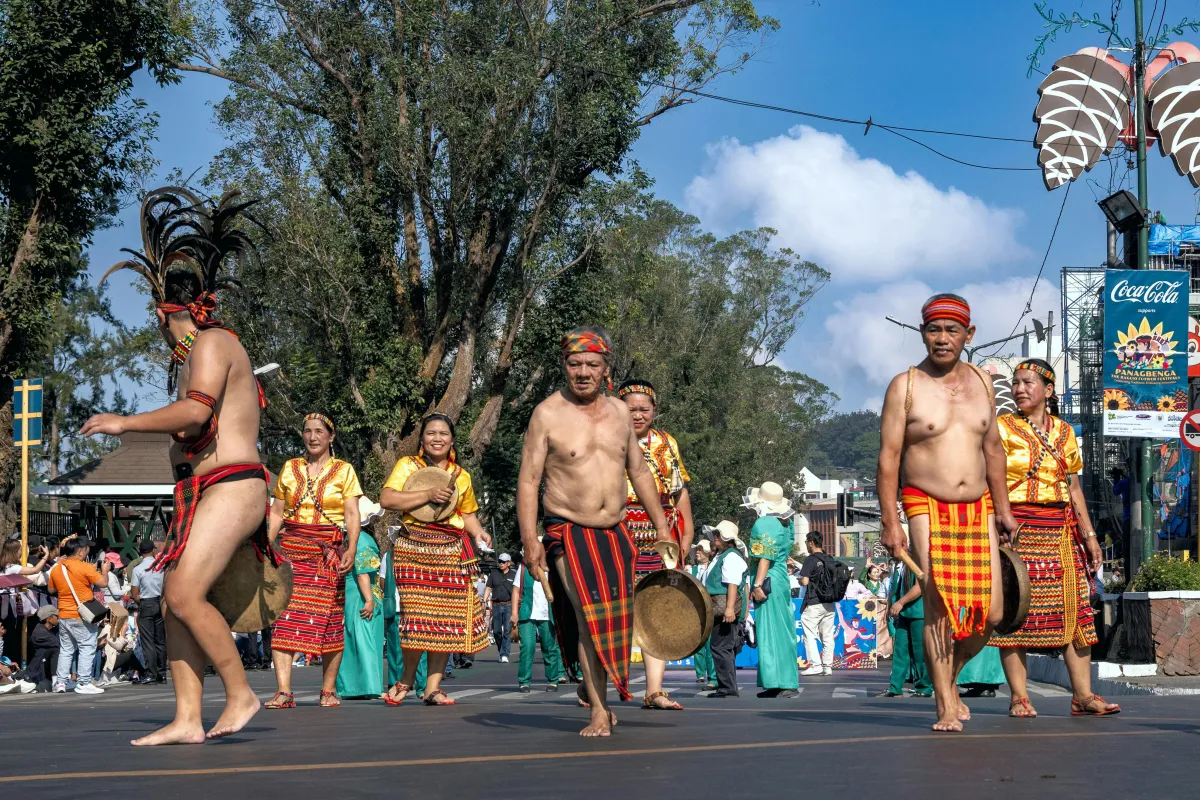
Traditional weaving communities across the Philippines continue creating fabrics carrying generations of cultural memory. Embroidered details reflect patience and precision, impossible to mass-produce. Indigenous artistry transforms fashion into something emotionally alive rather than purely commercial.
And when these elements appear inside modern collections, the result feels both timeless and contemporary at once.
Heritage Reimagined for the Modern World
What makes Filipino fashion especially inspiring is how naturally it balances tradition and innovation.
Many Filipino designers are not interested in preserving heritage by freezing it in the past. Instead, they reinterpret culture through modern silhouettes, contemporary styling, and global design language while still respecting the traditions inspiring their work.
A terno sleeve may appear beside minimalist tailoring. Indigenous textiles may become structured contemporary gowns. Traditional weaving techniques may shape modern streetwear, luxury accessories, or architectural couture pieces.
This balance matters.
Because it proves heritage does not need to feel outdated in order to be valuable.
Filipino creators are showing the world that culture itself can evolve beautifully.
Fashion becomes a bridge between generations rather than a choice between past and future.
And perhaps that emotional connection is what global audiences respond to most strongly.
Authenticity.
Why Filipino Fashion Feels Human
Much of modern fashion can sometimes feel detached from humanity itself.
Trends move quickly. Clothing becomes disposable. Aesthetic culture often prioritizes appearance over meaning. Fashion industries can become consumed by perfection, exclusivity, and constant reinvention without emotional connection.
Filipino fashion often feels different because it remains deeply human.
Behind many collections are stories about family, ancestry, memory, migration, identity, or resilience. Designers collaborate directly with local artisans and weaving communities instead of treating craftsmanship as anonymous labor. Clothing becomes a conversation instead of only a product.
This emotional depth gives Filipino fashion warmth.
People feel the humanity inside it.
And in a world increasingly overwhelmed by digital speed and artificial trends, humanity becomes powerful.
The Rise of Filipino Designers on Global Stages
Filipino designers no longer exist only inside local fashion circles.
Their work now appears at international fashion weeks, global red carpets, editorial campaigns, and luxury showcases around the world. Celebrities wear Filipino couture proudly. Fashion publications highlight local artistry and craftsmanship. Younger global audiences discover Filipino aesthetics through social media and digital platforms.
This visibility matters deeply.
Because representation changes confidence.
For years, many Filipinos grew up consuming global fashion industries dominated heavily by Western standards and European luxury houses. Local talent often felt secondary despite the extraordinary creativity already existing within the country.
But modern Filipino designers are proving something important.
Filipino fashion does not need to imitate global style in order to belong globally.
Its strength comes precisely from its distinct identity.
Fashion as Cultural Pride
There is also emotional significance behind the rise of Filipino fashion.
For many Filipinos, seeing local artistry celebrated internationally creates pride beyond aesthetics alone. It challenges old insecurities surrounding local culture and creative identity. It reminds younger generations that Filipino creativity deserves space on global stages without apology.
Fashion, therefore, becomes symbolic of something larger.
Cultural confidence.
A generation ago, some people viewed traditional fabrics or heritage-inspired fashion as something reserved mostly for formal occasions or cultural events. Today, younger Filipinos increasingly wear local textiles, handcrafted accessories, and Filipino-designed pieces proudly in everyday life.
Culture becomes fashionable not because it is trendy, but because people are reconnecting with identity more intentionally.
And global audiences are responding to that confidence.
The Influence of Sustainability
Another reason Filipino fashion is gaining international respect involves sustainability.
Modern consumers are becoming more aware of fashion’s environmental impact. Fast fashion created enormous waste, exploitative labor systems, and unsustainable production cycles globally. As a result, many people now seek alternatives rooted in craftsmanship, ethical sourcing, and slower production methods.
Filipino fashion aligns naturally with many of these values.
Handwoven textiles. Small-scale production. Artisan collaboration. Handmade detailing. Local sourcing.
Many Filipino designers prioritize sustainability not simply because it has become fashionable internationally, but because traditional craftsmanship itself already encourages intentionality, quality, and longevity.
This creates a meaningful contrast.
While much of global fashion became faster and more disposable, Filipino creators continued valuing artistry requiring patience and care.
And increasingly, the world sees that as a luxury.
Not luxury defined by logos or exclusivity.
But luxury is defined by meaning, craftsmanship, and human connection.
Modern Filipino Streetwear and Contemporary Influence
Filipino fashion is not only influencing couture spaces.
Streetwear and contemporary fashion scenes are also becoming globally visible.
Young Filipino creatives blend global trends with local identity in ways feeling fresh and emotionally authentic. Oversized silhouettes, vintage styling, handmade accessories, tropical influences, and Filipino cultural references appear naturally inside modern street style.
Social media accelerated this visibility dramatically.
Platforms like Instagram, TikTok, and Pinterest allowed Filipino stylists, photographers, designers, and fashion creators to showcase their work internationally without relying entirely on traditional fashion gatekeepers.
This democratization changed everything.
Filipino fashion now evolves not only through elite runway spaces, but also through everyday creativity visible online.
And perhaps this accessibility move feels even more alive.
The Emotional Power of Filipino Identity
At its core, Filipino fashion inspires because it reflects emotional complexity honestly.
The Philippines itself is layered.
Colonial history. Indigenous heritage. Migration. Global influence. Tropical culture. Urban modernity. Family-centered traditions. Economic resilience.
All of these realities appear subtly inside Filipino design and style culture.
Fashion, therefore, becomes more than a visual presentation.
It becomes identity in motion.
A designer preserving heritage through contemporary silhouettes. A young creative styling local craftsmanship beside modern trends. A runway collection inspired by ancestry, memory, or cultural storytelling.
These choices carry emotional meaning.
And perhaps that is why Filipino fashion feels increasingly unforgettable internationally.
Because it tells stories people can feel.
Fashion Beyond Trends
The most inspiring thing about Filipino fashion may be that it refuses to exist only for trends.
Trends disappear quickly.
But storytelling lasts.
Craftsmanship lasts.
Identity lasts.
Filipino creators understand that fashion becomes most meaningful when it reflects something deeper than seasonal aesthetics alone. Their work carries memory, culture, emotion, and purpose alongside beauty.
And in an era where many industries feel increasingly artificial, authenticity becomes magnetic.
The Future of Filipino Fashion
The future of Filipino fashion feels limitless precisely because it feels rooted.
Designers are no longer asking permission to participate globally. They are confidently shaping conversations about sustainability, cultural identity, craftsmanship, and innovation on their own terms.
Younger generations are embracing local fashion more proudly. Consumers increasingly value ethical design and authenticity. Filipino creatives continue blending heritage and modernity in ways the global industry finds both refreshing and emotionally compelling.
And perhaps this is only the beginning.
Because Filipino fashion is no longer simply emerging.
It is arriving.
Not quietly.
But confidently.
More Than Clothing
In the end, Filipino fashion inspires the world because it represents more than clothing itself.
It represents resilience transformed into beauty.
Tradition transformed into innovation.
Identity transformed into art.
Every stitch carries memory. Every fabric reflects history. Every silhouette becomes part of a larger story about culture, creativity, and humanity moving forward without forgetting where it came from.
And perhaps that is what truly makes Filipino fashion unforgettable.
Not only how it looks.
But how deeply it feels alive.
