Redefining Beauty Through Filipino Craftsmanship
Designers understand that fashion has the power to communicate social and cultural messages, making each piece a form of advocacy for the preservation of artistry and cultural memory.
Filipino fashion is more than clothing—it is a living testament to culture, history, and creativity. Each garment, accessory, and design is a narrative, a reflection of the ingenuity and artistry that has been passed down through generations. In a world increasingly focused on fast fashion and fleeting trends, Filipino designers are redefining beauty by blending heritage with contemporary aesthetics, proving that fashion becomes timeless when it tells a story.
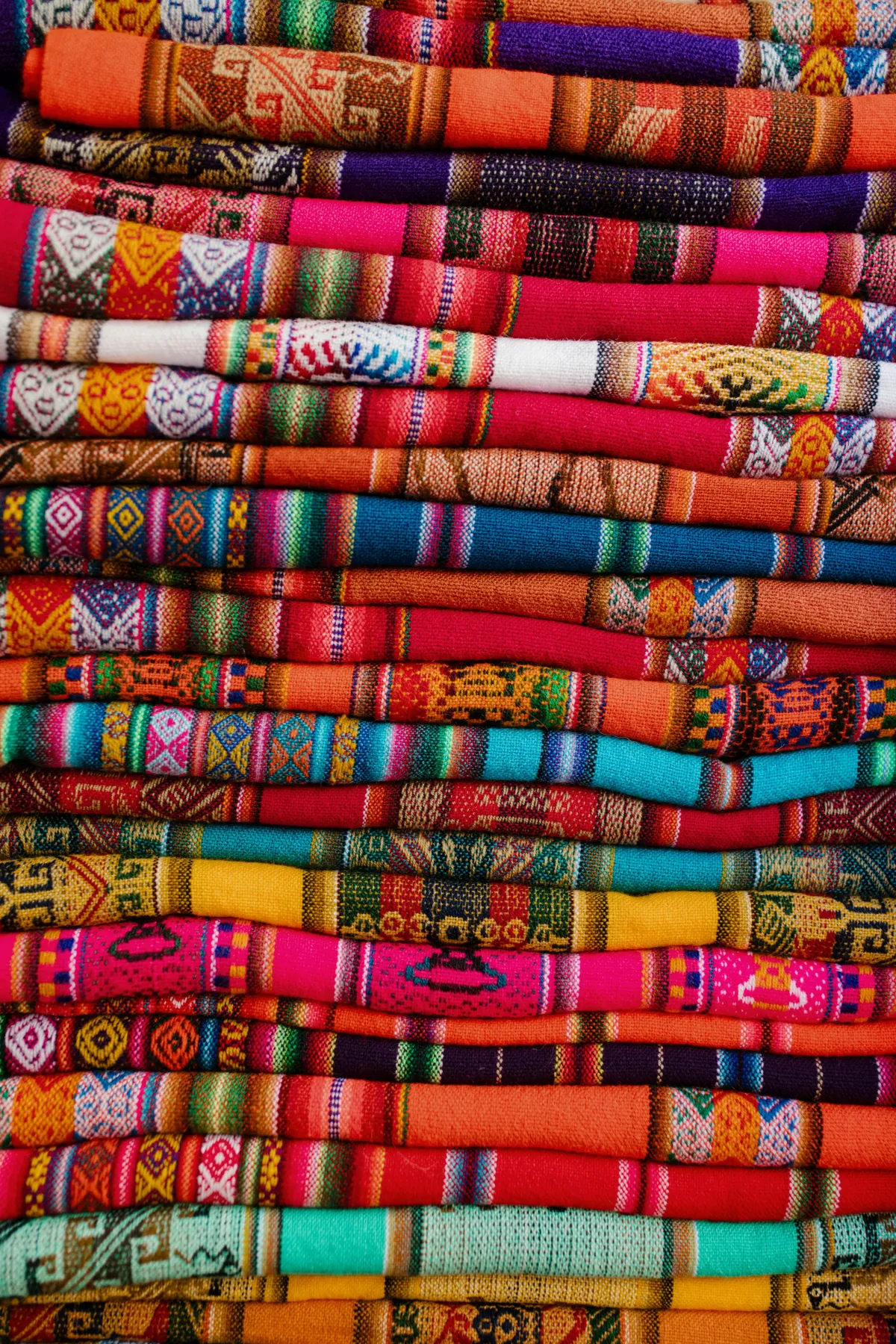
The roots of Filipino craftsmanship run deep. Traditional textiles, embroidery techniques, and indigenous materials carry centuries of cultural knowledge. From the intricate handwoven patterns of the inabel from Ilocos to the delicate piña cloth from the Visayas, every piece reflects the skill, patience, and vision of artisans who honor their craft. By integrating these techniques into modern fashion, designers celebrate cultural identity while creating pieces that resonate on a global stage. Filipino craftsmanship is not merely decorative—it is a form of storytelling, a way to preserve history while innovating for the present.
Modern Filipino designers are also embracing sustainability, turning limitations into creative opportunities. The use of natural fibers, eco-friendly dyes, and locally sourced materials reflects a commitment to both heritage and the environment. By designing with intention, they challenge conventional fashion norms and inspire a culture of conscious consumption. This approach underscores the philosophy that true beauty is not only visual but also ethical, responsible, and enduring.
Filipino fashion thrives on versatility, bridging tradition and modernity. Designers reinterpret classic silhouettes with contemporary cuts, infusing garments with both elegance and practicality. This fusion allows Filipino fashion to resonate globally, appealing to diverse audiences while remaining authentic to cultural roots. Every stitch and silhouette communicates a sense of identity, confidence, and pride, proving that fashion is a medium for personal and collective expression.
The narratives embedded in Filipino fashion extend beyond aesthetics. Designers draw inspiration from local stories, folklore, and landscapes, translating them into wearable art. Each collection becomes a cultural dialogue, honoring the past while embracing innovation. This storytelling dimension elevates fashion from commerce to art, offering wearers a sense of connection to the people, places, and traditions that shaped the designs. Filipino fashion is, at its core, a bridge between generations, communities, and the world.
Global recognition has brought Filipino craftsmanship to new heights. International runways, fashion weeks, and editorial spreads now feature designers who have skillfully combined tradition with trend. Their work challenges stereotypes, showcases Filipino creativity, and asserts the country’s place in the global fashion conversation. Yet, despite acclaim, the essence of Filipino fashion remains rooted in the commitment to craft, attention to detail, and the celebration of heritage. Recognition amplifies their stories but does not compromise authenticity.
Education and mentorship play a vital role in sustaining Filipino craftsmanship. Established designers invest in training programs, workshops, and apprenticeships to ensure that skills and techniques are preserved. By passing on knowledge to emerging talents, they maintain the integrity of the craft while fostering innovation. This cycle of teaching and learning reinforces a culture of excellence, ensuring that Filipino fashion continues to thrive both locally and internationally.
Filipino fashion is also a vehicle for cultural pride and identity. In wearing locally crafted garments, consumers engage with history, tradition, and values. Clothing becomes a statement of belonging, a celebration of heritage, and a declaration of self-expression. Designers understand that fashion has the power to communicate social and cultural messages, making each piece a form of advocacy for the preservation of artistry and cultural memory.
Collaboration further strengthens Filipino fashion. Designers partner with artisans, weavers, and local communities, creating opportunities for economic empowerment and sustainable development. These collaborations foster mutual respect, skill-sharing, and community engagement, proving that fashion can be a force for social good. Through these partnerships, Filipino craftsmanship becomes a source of pride not only for the designers but for the communities that contribute to each creation.
Technology also plays a role in advancing Filipino fashion without compromising tradition. Digital platforms allow designers to showcase their collections to global audiences, while modern techniques enhance precision and creativity in production. This integration of technology and tradition ensures that Filipino craftsmanship remains relevant, innovative, and competitive in a globalized market. Designers demonstrate that heritage and modernity are not mutually exclusive but complementary forces in shaping fashion’s future.
The emotional resonance of Filipino fashion lies in its attention to detail and its capacity to evoke memory, pride, and inspiration. Each handwoven thread, embroidered motif, or thoughtfully tailored garment is a testament to the time, effort, and care invested by artisans. This labor of love transforms fashion from a commodity into an experience—one that connects the wearer to culture, story, and identity. Filipino craftsmanship proves that beauty is most profound when it carries meaning.
Ultimately, Filipino designers are redefining what it means to be beautiful in fashion. Beyond aesthetics, they embrace values of sustainability, heritage, creativity, and community. Their work honors the past, addresses the present, and inspires the future. Fashion becomes a lens through which identity, culture, and artistry converge, offering a holistic vision of beauty that is both authentic and enduring.
Filipino craftsmanship is not only a source of national pride but also a contribution to global culture. By weaving tradition with modernity, designers create a dialogue between the local and the global, the past and the future, artistry and functionality. Each collection tells a story that transcends borders while remaining deeply rooted in Filipino heritage. It is a celebration of the ingenuity, dedication, and vision of a people who understand that fashion is far more than clothing—it is culture in motion.
Through their work, Filipino designers demonstrate that true beauty lies in intention, detail, and meaning. Craftsmanship is a form of storytelling that invites appreciation, reflection, and admiration. It bridges generations, connects communities, and elevates the everyday into something extraordinary. In celebrating Filipino artistry, the fashion industry affirms that elegance, culture, and conscience can coexist seamlessly, creating pieces that resonate long after the runway lights dim.
In every stitch, silhouette, and design, Filipino fashion communicates pride, identity, and vision. It showcases the potential of culture-driven creativity and proves that beauty is most powerful when it is purposeful, authentic, and inclusive. As Filipino designers continue to innovate and inspire, they not only redefine fashion but also redefine what it means to leave a lasting impression on the world through craft, culture, and creativity.
