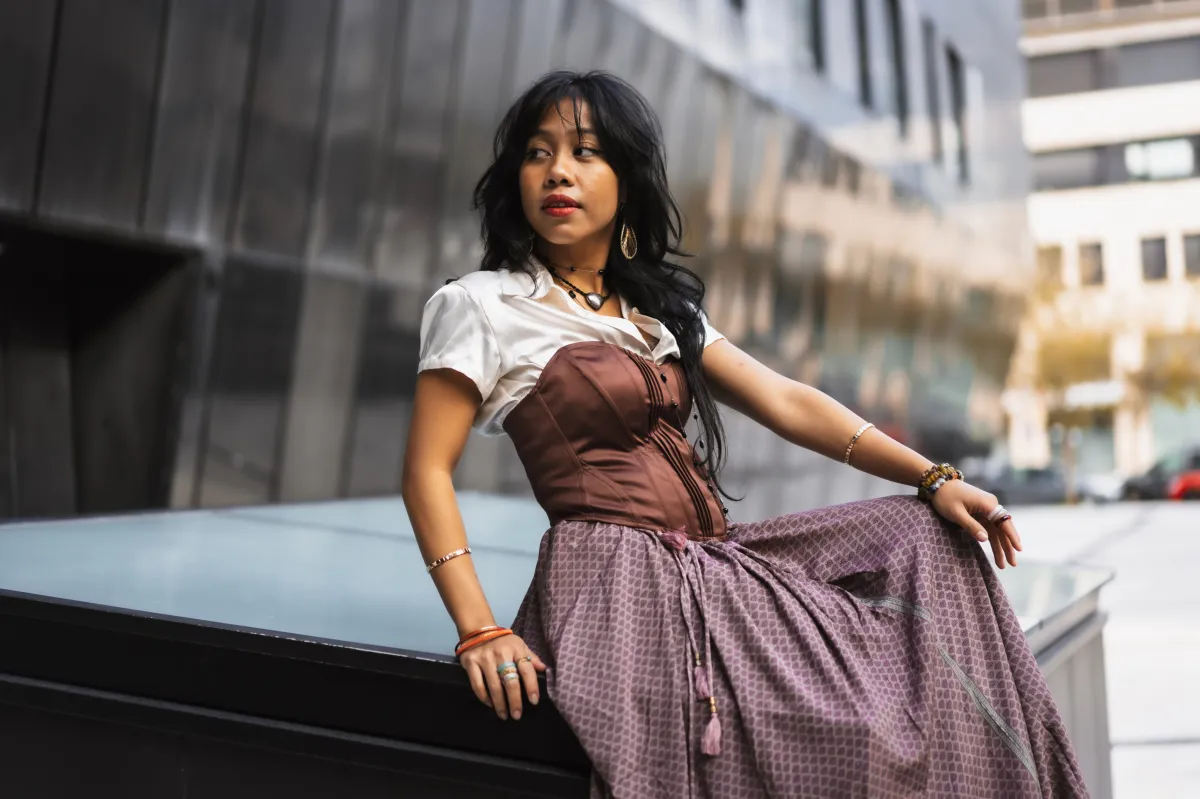
Redefining Elegance: The Modern Filipino Identity
By integrating sustainability into luxury and everyday wear, Filipino creatives demonstrate that elegance is not solely aesthetic—it is intentional, conscientious, and meaningful.
Elegance has changed.
For many years, elegance was associated with exclusivity, polished perfection, and international luxury. Fashion magazines celebrated Western aesthetics. Designer labels became symbols of status. Sophistication was often measured by how closely people could imitate global trends, expensive lifestyles, and carefully curated appearances.
But today, a different kind of elegance is emerging.
One that feels more personal.
More grounded.
More connected to identity.
Across the Philippines and beyond, Filipino designers, creatives, and tastemakers are redefining what elegance means in the modern world. They are moving beyond imitation and building something deeply authentic, an identity rooted in culture, craftsmanship, sustainability, emotional storytelling, and individuality.
This new Filipino elegance does not depend entirely on luxury brands or passing trends.
It is found in handwoven fabrics carrying generations of artistry. In silhouettes blending heritage with modern expression. In local craftsmanship, once overlooked but now celebrated globally. In people dressing with intention rather than performance. In creators proving that fashion can carry purpose without losing beauty.
And perhaps what makes this movement so powerful is that it reflects something much larger than style itself.
It reflects a generation of Filipinos learning how to embrace identity proudly without needing validation from outside cultures first.
Because modern Filipino elegance is no longer about trying to look international.
It is about showing the world that Filipino creativity, culture, and artistry have always belonged on global stages in the first place.
The Evolution of Filipino Fashion
Fashion in the Philippines has always carried layers of history.
For generations, clothing reflected the country’s complex cultural influences—indigenous traditions, Spanish colonial heritage, Asian craftsmanship, and modern global trends blending over time. Filipino identity itself became layered and evolving, and naturally, fashion evolved alongside it.
Traditional garments like the barong Tagalog and terno once symbolized formal elegance and cultural pride. Handwoven textiles from different regions carried stories of communities, ancestry, and craftsmanship passed through generations. Local fabrics were not only decorative—they represented labor, artistry, and identity deeply tied to place.
But as globalization expanded, Western fashion increasingly dominated mainstream culture. International luxury brands became symbols of aspiration. Many Filipinos grew up believing sophistication needed to resemble foreign aesthetics in order to feel modern or globally relevant.
Yet over time, something shifted.
Filipino creatives began reclaiming identity through fashion itself.
Not by rejecting global influence entirely.
But by redefining it through a Filipino perspective.
Elegance Rooted in Authenticity
Modern Filipino elegance feels different because it values authenticity over imitation.
Today’s Filipino designers are no longer simply following trends created elsewhere. They are building aesthetics rooted in local storytelling, sustainability, craftsmanship, and emotional connection. Traditional fabrics are reimagined into contemporary silhouettes. Indigenous weaving techniques are elevated through modern tailoring. Fashion becomes both artistic expression and cultural preservation simultaneously.
This movement matters deeply because authenticity resonates strongly in a world increasingly overwhelmed by mass production and digital performance.
People are becoming emotionally exhausted by trends changing overnight and luxury items designed only for visibility online. Many now crave a style that feels personal, meaningful, and connected to real identity instead of temporary validation.
Filipino fashion answers this beautifully.
Because Filipino creativity naturally carries warmth, texture, and emotional storytelling within it.
The Beauty of Local Craftsmanship
One of the most remarkable parts of modern Filipino fashion is the renewed appreciation for local craftsmanship.
For years, handmade textiles and regional weaving traditions were often undervalued compared to imported luxury goods. But today, many designers and consumers recognize that true elegance often lives inside craftsmanship, requiring patience, skill, and cultural memory impossible to mass produce.
Across the Philippines, weaving communities continue creating textiles carrying generations of heritage. Every pattern reflects stories, geography, and identity shaped over centuries. These fabrics are not simply materials.
They are a living culture.
Modern Filipino designers are helping preserve these traditions by integrating them into contemporary fashion rather than allowing them to disappear quietly. Local artistry becomes visible globally through clothing that feels both timeless and modern at once.
And perhaps this is what makes Filipino fashion powerful.
It carries history without feeling trapped by it.
Sustainability and Conscious Luxury
Another defining part of modern Filipino elegance is sustainability.
Fashion globally is changing. Consumers increasingly understand the environmental and ethical costs of fast fashion, mass production, and excessive consumption. As a result, many people are moving toward slower, more intentional fashion choices rooted in quality, craftsmanship, and longevity.
Filipino designers are contributing strongly to this movement.
Many prioritize ethical sourcing, handmade production, local materials, and smaller-scale craftsmanship instead of purely industrial systems. Sustainability becomes more than branding—it becomes respect for artisans, communities, culture, and the environment itself.
This creates a new understanding of luxury.
Luxury is no longer only about price.
It becomes connected to care.
Care in how clothing is made. Care for the people behind the process. Care for preserving cultural artistry instead of replacing it with disposable trends.
And perhaps this version of luxury feels far more meaningful today.
Fashion as Cultural Pride
Modern Filipino fashion is also deeply connected to identity.
For many years, some Filipinos felt pressure to minimize cultural differences in order to appear globally sophisticated. But today’s generation increasingly embraces Filipino identity proudly through fashion, art, language, and creativity.
Designers now celebrate local textiles instead of hiding them. Traditional influences appear confidently on international runways. Filipino silhouettes are reinterpreted through modern aesthetics without losing cultural roots.
This shift matters emotionally.
Because fashion becomes more than appearance.
It becomes a representation.
The ability to say that Filipino creativity deserves visibility without needing to imitate anyone else first.
And globally, people are responding to this authenticity.
Because genuine cultural storytelling feels far more memorable than generic trends.
The Rise of the Modern Filipino Tastemaker
Social media and digital platforms also transformed Filipino fashion culture.
Today, Filipino creatives, stylists, designers, photographers, and tastemakers can share their work globally without waiting for traditional gatekeepers. A new generation now influences fashion through individuality rather than strict industry standards alone.
Modern Filipino tastemakers blend elegance with personality.
Minimalism mixed with tropical ease. Vintage influences alongside contemporary tailoring. Local craftsmanship paired with modern streetwear. Fashion that feels polished but still emotionally grounded.
This flexibility reflects Filipino identity itself—adaptable, layered, creative, and constantly evolving.
Importantly, many Filipino tastemakers today prioritize authenticity over perfection. Their style feels lived in rather than overly performative. There is confidence in simplicity, confidence in individuality, and confidence in cultural pride.
And perhaps that confidence itself becomes elegance.
Elegance Beyond Appearance
The modern Filipino understanding of elegance extends beyond clothing, too.
Elegance now includes how people carry themselves.
Kindness.
Confidence without arrogance.
Emotional intelligence.
The ability to remain grounded despite success.
Filipino culture naturally values warmth and hospitality deeply, and these qualities influence modern ideas of sophistication too. A person can wear beautiful clothing, but true elegance still depends on energy, presence, and humanity.
This is why modern Filipino elegance feels softer and more emotionally connected compared to colder, purely status-driven ideas of luxury.
It values substance as much as style.
Global Influence Without Losing Identity
One remarkable thing about Filipino fashion today is its ability to feel globally relevant without losing local identity.
Designers no longer need to choose between being Filipino and being internationally respected. In fact, their strongest work often comes precisely from embracing the Filipino perspective fully.
This reflects a larger cultural shift happening among Filipinos globally.
People are becoming more confident in carrying their Filipino identity into international spaces rather than hiding it. Fashion becomes one expression of that confidence.
And as Filipino creativity continues gaining recognition internationally, it challenges outdated assumptions about where innovation, artistry, and elegance come from.
The Emotional Side of Style
Fashion matters because it affects how people feel.
The clothing people wear influences confidence, self-perception, identity, and emotional expression. Style can become a form of self-respect, creativity, healing, and storytelling.
Modern Filipino fashion understands this emotional dimension deeply.
It is not simply about aesthetics.
It is about meaning.
A woven fabric connecting someone to their ancestry. A local designer creating clothing reflecting modern Filipino confidence. Sustainable pieces carrying emotional value beyond trend cycles.
Fashion becomes personal again.
And perhaps that is why modern Filipino elegance resonates so strongly today.
Because people are no longer searching only for beautiful things.
They are searching for meaningful ones.
Redefining Elegance for a New Generation
So what does elegance mean now in the Filipino sense?
It means authenticity without apology.
Style rooted in identity rather than imitation.
Luxury connected to craftsmanship and purpose instead of excess alone.
Elegance that feels human, culturally grounded, and emotionally aware.
Modern Filipino fashion proves that sophistication does not require abandoning heritage.
In fact, heritage may be exactly what makes style unforgettable.
Because true elegance has never been about what people wear.
It is about the stories, values, and identity carried within it.
And today, Filipino designers and tastemakers are showing the world that those stories deserve to be seen, celebrated, and remembered far beyond borders.
