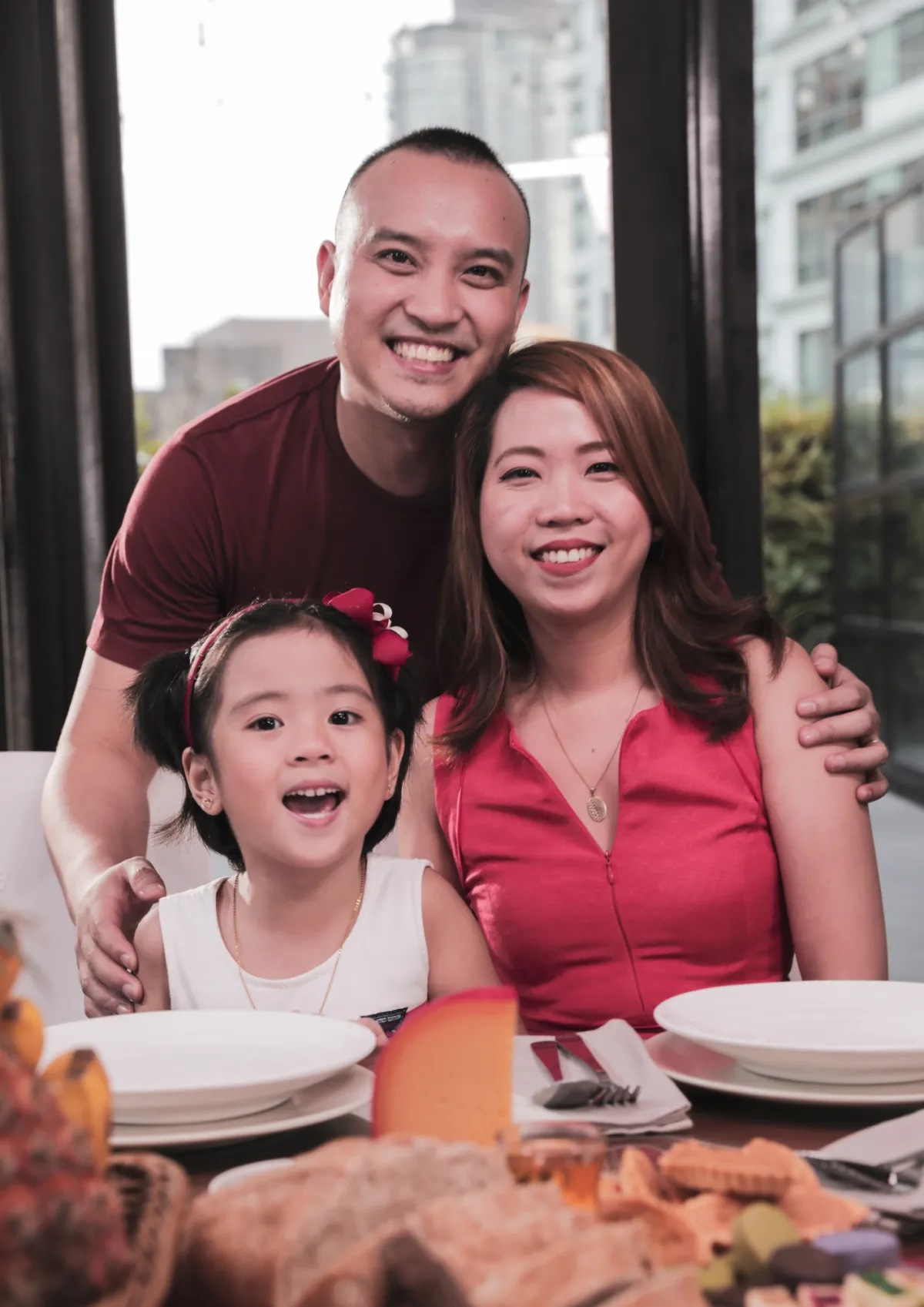
The Heart of Every Home
The Filipino home embodies the principle that warmth is cultivated through relationships, kindness, and shared experiences.
In the Philippines, home is more than a physical space—it is a sanctuary where stories, memories, and traditions converge. It is where generations gather, where love is expressed in small gestures, and where values are passed from one family member to another. For Filipinos, warmth is never measured by the size of the house or the complexity of the meal; it is found in the people who inhabit it, in the laughter that fills the air, and in the love that finds its way to the table.
The Filipino home is defined by community and connection. Visitors are greeted with open arms, and hospitality is woven into daily life. Whether it is a neighbor stopping by for a quick chat or a large family gathering for a special occasion, homes serve as the heart of social interaction. This spirit of generosity extends beyond physical boundaries, creating bonds that strengthen neighborhoods, friendships, and family ties. In a culture where relationships are highly valued, the home becomes a central stage for nurturing trust, care, and togetherness.
Food is one of the most vivid expressions of Filipino home life. Yet, while delicious dishes are celebrated, it is the act of sharing that carries deeper significance. From a simple bowl of rice to festive lechon on holidays, meals are occasions for connection. Recipes passed down through generations tell stories of heritage, migration, and creativity. Preparing and serving food becomes a symbolic gesture of love and inclusion, reinforcing the idea that sustenance is more than nourishment—it is an expression of care.
Beyond the dining table, Filipino homes are rich with rituals, customs, and practices that define everyday life. Morning prayers, family storytelling sessions, and weekend gatherings form a rhythm that shapes values, character, and belonging. These routines, often small and unassuming, carry profound meaning. They teach patience, resilience, and empathy, while fostering a sense of security and identity. A Filipino home is a classroom, a sanctuary, and a stage, all rolled into one.
The architecture and design of Filipino homes also reflect cultural priorities. Open spaces, porches, and communal areas encourage interaction and connection. Personal touches—family photographs, handcrafted décor, or heirlooms—tell stories of lineage and shared experiences. Even in urban environments where space is limited, Filipinos find creative ways to nurture intimacy and togetherness. The heart of the home is not determined by grandeur but by the intention to foster love, belonging, and mutual respect.
Generosity extends beyond immediate family. Filipino homes often serve as temporary shelters for friends, relatives, or even strangers in need. This ethos of inclusion reflects a deep cultural value: that home is not just for oneself but a space to share, uplift, and support others. Hospitality is not performative; it is an expression of empathy, trust, and social cohesion. The Filipino home embodies the principle that warmth is cultivated through relationships, kindness, and shared experiences.
In every Filipino home, celebrations are intertwined with tradition. Birthdays, weddings, religious holidays, and community milestones are marked not only by food and decorations but by the coming together of people. These gatherings reinforce identity and heritage, reminding each generation of their place within a broader narrative. Even during difficult times, homes serve as a haven—a space to gather strength, comfort, and solidarity. The resilience of Filipino households is seen in how families adapt, support one another, and maintain love at the center of daily life.
Education and personal growth are also nurtured within Filipino homes. Parents and elders guide younger generations through lessons about respect, responsibility, and ambition. The home becomes a laboratory for learning interpersonal skills, problem-solving, and cultural awareness. These lessons are reinforced through example, storytelling, and shared experiences. In this way, Filipino homes do more than shelter—they cultivate character, encourage curiosity, and inspire purpose.
Filipino homes are not static; they evolve with each generation. Yet, the core principles remain: connection, care, and a celebration of life’s simple joys. Children grow, traditions shift, and spaces transform, but the underlying warmth—the love that finds its way to the table—remains constant. It is this consistency, anchored in values and relationships, that gives the Filipino home its enduring power.
The heart of every Filipino home is, ultimately, defined by people, not possessions. Love manifests in gestures both large and small: the encouragement of a parent, the guidance of an elder, the laughter of siblings, or the quiet presence of someone who cares. These moments, woven together, create a tapestry of meaning and belonging. In a world often focused on material success, Filipino homes remind us that true richness is measured in connection, compassion, and the ability to nurture others.
In a globalized era where families may be dispersed, the Filipino concept of home extends beyond physical walls. Overseas Filipinos maintain connections with loved ones through calls, video chats, and shared traditions, proving that home is where the heart and relationships are nurtured. The cultural emphasis on family and connection transcends geography, demonstrating that the values cultivated in Filipino homes have the power to influence communities worldwide.
The enduring appeal of the Filipino home lies in its duality: it is both intimate and communal, grounded in tradition yet adaptable to change. It is a space where resilience meets celebration, where learning meets love, and where culture is lived, shared, and transmitted. Each home, no matter the size or location, carries the stories of those who inhabit it, the lessons passed down, and the bonds that define a people.
Ultimately, the Filipino home exemplifies how everyday spaces can serve as a foundation for identity, connection, and purpose. It teaches that warmth is not measured in objects or wealth, but in the love and care extended to others. Meals are more than food; they are moments of communion. Rooms are more than structures; they are spaces for growth, guidance, and memory-making. In every Filipino household, love finds its way to the table, and in doing so, it nurtures hearts, shapes lives, and strengthens the community.
The heart of every home is a mirror of the Filipino spirit: resilient, compassionate, inclusive, and enduring. It is a reminder that amidst life’s uncertainties, the people who share a space, a meal, or a story are the ones who make it truly warm and alive. Through love, tradition, and connection, the Filipino home stands as a testament to the power of relationships and the enduring value of shared experiences.
